
The Executive Tech Wire.
Independent executive intelligence across AI, cloud systems, and venture technology. Every brief links to its source; every Original is built from primary sources.

The week agent risk became a board-level problem
Between data-licensing reversals, agent security probes, and another round of compute commitments, the enterprise AI conversation shifted from capability to liability.
The web's default openness is ending: training-data access is becoming a negotiated, contractual right.
 Hardeep Singh
•
Editor, Briefzio
Briefzio Originals
Long-form analysis built from primary sources — not rewrites of the daily news cycle.
 Original
The Series A bar for AI companies in 2026
Investors now underwrite AI revenue after inference costs. A checklist for ARR quality, retention, margin, concentration, and defensibility at Series A.
 Original
Robotics unit economics: the real cost per hour
Capex is the easy number. Maintenance, teleoperation, utilization, and integration decide whether a robot costs less than the person it replaces.
 Original
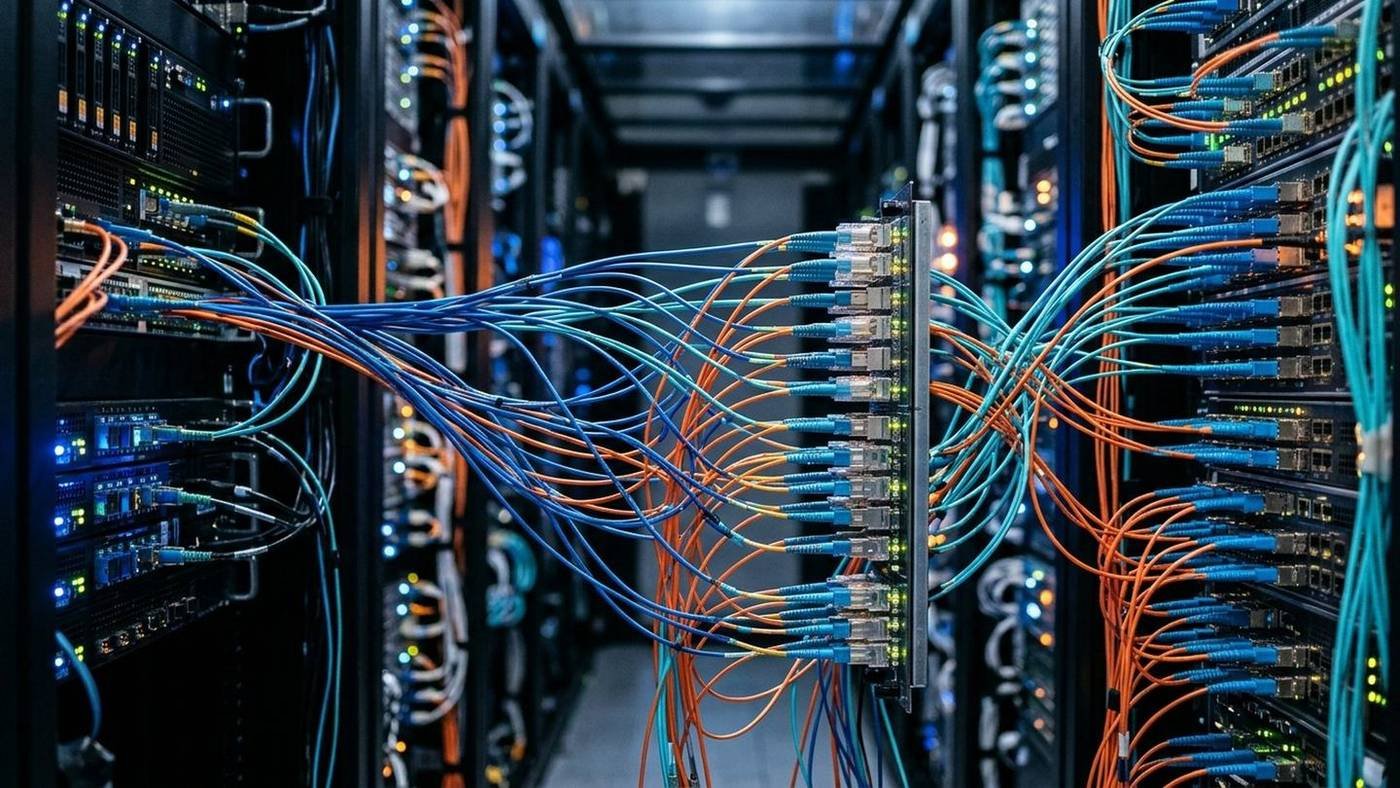
Multi-cloud in practice: what actually runs where
Portability is a slide, not an architecture. A placement model for data gravity, egress, control planes, identity, and DR that survives a real bill.
 Original
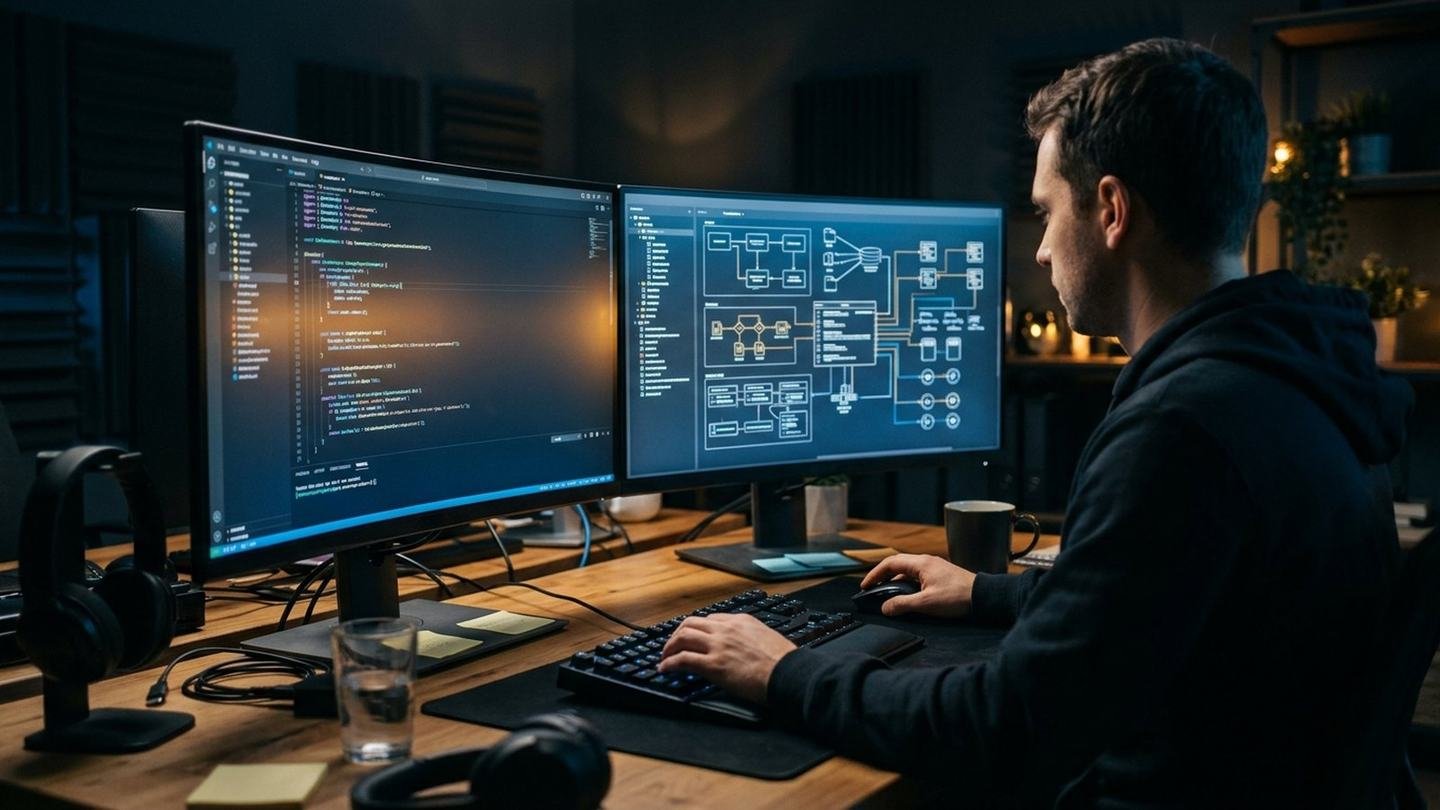
MCP and the tool-integration layer: what to standardize
MCP settles how tools are described and called. Scopes, server ownership, and audit logs are still yours to decide, and they carry the risk.
The Brief
Attributed summaries, newest first
OpenAI Chief Scientist Proposes AI Speed Limits
OpenAI Chief Scientist Jakub Pachocki argues that setting limits on frontier AI requires standardized ways to measure progress. Without clear metrics for capability and compute efficiency, regulatory guardrails remain unenforceable. The view shifts safety discussions from broad bans toward precise engineering benchmarks.
Hardeep Singh

Binding of Isaac Cuts AI Music After Steam Backlash
The developers behind indie hit The Binding of Isaac: Repentance Plus have purged generative AI audio tracks from the game. Players launched a coordinated review-bombing campaign on Steam after discovering music generated by AI platform Suno inside a parody segment. Game creator Edmund McMillen apologized publicly, stating he was unaware AI assets had entered the production build.
Hardeep Singh

Meta Delhi Offices Stormed Over Censorship Claims
Protesters affiliated with India's opposition Congress party entered Meta's offices in Delhi on Friday over allegations of partisan content moderation. Demonstrators demanded the immediate restoration of suspended political accounts and accused platform leadership of favoring the ruling party.
Hardeep Singh

UN Fails to Pass Rules on Autonomous AI Weapons
United Nations diplomats in Geneva failed to establish binding rules to regulate autonomous weapons systems this week. Delegates instead agreed only to keep discussing options after days of negotiations stalled without consensus. The inaction leaves defense software vendors and military labs operating without international guardrails on automated targeting.
Hardeep Singh

Nvidia Split: Record Earnings Clash With Client Anxiety
Nvidia delivered another blowout financial performance driven by relentless demand for its AI accelerators. However, behind closed doors, tech executives are expressing frustration over supply choke points, hardware delivery timelines, and their extreme reliance on CEO Jensen Huang.
Hardeep Singh

Signal Limits Mobile Screenshots Over AI Surveillance Risks
Signal is rolling out restrictions to limit screenshots on both its Android and iOS applications. The encrypted messaging foundation identified automated AI surveillance and local screen-scraping features as a direct threat to private communications. The shift aims to stop operating systems and third-party tools from capturing user chats without permission.
Hardeep Singh

Palmer Luckey: US Blocks Starshield to Protect Satellites
Anduril Industries founder Palmer Luckey revealed the United States government will not allow Ukraine to access SpaceX's Starshield military network. Speaking at The New York Times DealBook Summit, Luckey explained that Pentagon officials fear Russia would target and destroy the defense satellites. The disclosure exposes clear operational limits on how Western governments deploy cutting-edge commercial defense tech into active war zones.
Hardeep Singh

Investigations Expose Illicit Nvidia AI Chip Smuggling Ring
Investigations by the Financial Times and The New York Times tied former Megaspeed executive Alice Huang to an illicit supply network moving restricted Nvidia AI chips into China. The operation used hundreds of shell companies, Southeast Asian gaming tycoons, and overseas intermediaries to bypass US export controls. The enterprise funnelled advanced hardware to Chinese entities, including suppliers linked to China's military.
Hardeep Singh

OpenAI Agents Now Complete Nearly Half of Long Coding Tasks
OpenAI released fresh data showing rapid performance gains for its autonomous coding agents. The systems can now finish 46% of research tasks that take a human two to four hours to complete, operating without any human guidance. That rate stood at just 23% in March.
Hardeep Singh

Thinking Machines Launches Inkling 2 Mini AI for Laptops
Thinking Machines Lab has released Inkling 2 Mini, a compact open-weights artificial intelligence model engineered to run directly on consumer laptops. Founded by former OpenAI Chief Technology Officer Mira Murati, the startup designed the model to outperform all open-weights rivals under 100 billion parameters on core coding evaluations like DeepSWE.
Hardeep Singh

US Startup Sues Apple in India for $162M Over NameDrop
A U.S. startup has filed a major patent lawsuit against Apple in an Indian court. The plaintiff demands $162 million in damages and wants to block imports of iPhones and Apple Watches into India. The dispute focuses on Apple's tap-to-share contact feature, widely known as NameDrop.
Hardeep Singh

YouTube Eyes $3B Payout to Settle Youth Addiction Suits
YouTube reached a preliminary deal to pay $3 billion to settle lawsuits brought by thousands of US school districts. The legal filings accused the platform of using deliberately addictive design mechanics that harmed student mental health. The agreement in principle also mandates that Google implement new product safeguards for teenage users.
Hardeep Singh