

Chinese automotive tech firm SEEWAY.AI announced a strategic expansion into chips and mobile intelligent agents at its Shanghai conference. Chief Executive Patrick Cheng warned that battery price wars can no longer give automakers a winning edge.
Future industry leadership now hinges on turning vehicle data and onboard computing into real customer value.
Why It Matters
Commercial ImplicationsAutomakers face diminishing returns from relentless price cuts across the global electric vehicle sector. Companies expanding abroad hit strict regional privacy laws and cross-border data transfer rules.
Building internal chip portfolios and data pipelines is becoming a matter of survival rather than an optional upgrade.
By The Numbers
Analysis & Engineering Implications for Technical Leaders
Key Developments & Takeaways
- More than half of all data collected by connected vehicles currently sits idle or underutilized due to weak planning and high storage costs.
- SEEWAY.AI has delivered over 170 data compliance projects across more than 60 automakers navigating international expansion.
- The firm is partnering with Huawei HMS for Car to build global navigation, voice agents, and cloud connected vehicle services.
What this means for enterprise teams
The facts above come from TechNode. This section is Briefzio's interpretation of their implications for architecture, cost, and vendor decisions. It is one editor's judgment, clearly separated from the reported facts.
The Big Picture
The aggressive electric vehicle price war in China is running out of road. SEEWAY.AI chief executive Patrick Cheng announced at the firm's innovation conference in Shanghai that data governance and silicon performance will dictate who wins the next decade of automotive growth.
As battery manufacturing matures and margins shrink, car companies must find new ways to stand out. Drivers now demand smarter software, faster in-cabin responses, and reliable driver-assist tools. Meeting those expectations requires dedicated automotive chips and smart data pipelines.
The Data Bottleneck
Modern connected cars produce massive amounts of sensor, map, and telemetry data every minute. Yet most automakers fail to extract tangible business value from this firehose of information.
- Idle Assets: Cheng noted that over half of collected car data stays completely unused due to duplicate collection, fragmented storage, and runaway processing bills.
- Global Expansion Hurdles: Chinese automakers shipping vehicles to Europe and Southeast Asia face strict local privacy rules. Data compliance must happen during early system design rather than after vehicles hit foreign ports.
- Huawei Integration: SEEWAY.AI is teaming up with Huawei HMS for Car to power global in-cabin voice interaction, international navigation, and connected cloud services.
Scaling Silicon and Software
Extracting value from live fleet data requires custom computing power. SEEWAY.AI, which has completed over 170 compliance jobs for more than 60 automakers, is now pushing deeper into automotive-grade silicon and mobile AI agents. The strategy aims to bridge the gap between raw hardware sensors and actionable driving models.
Strategic Verdict
Automakers can no longer rely on cheaper battery packs alone to capture market share. The competitive field has shifted from raw hardware costs to software integration. Companies that build compliant data backbones and secure reliable chip supply lines will control the smart mobility landscape.
Source: TechNode
Bottom line
 Analysis by Hardeep Singh
•
Editor, Briefzio
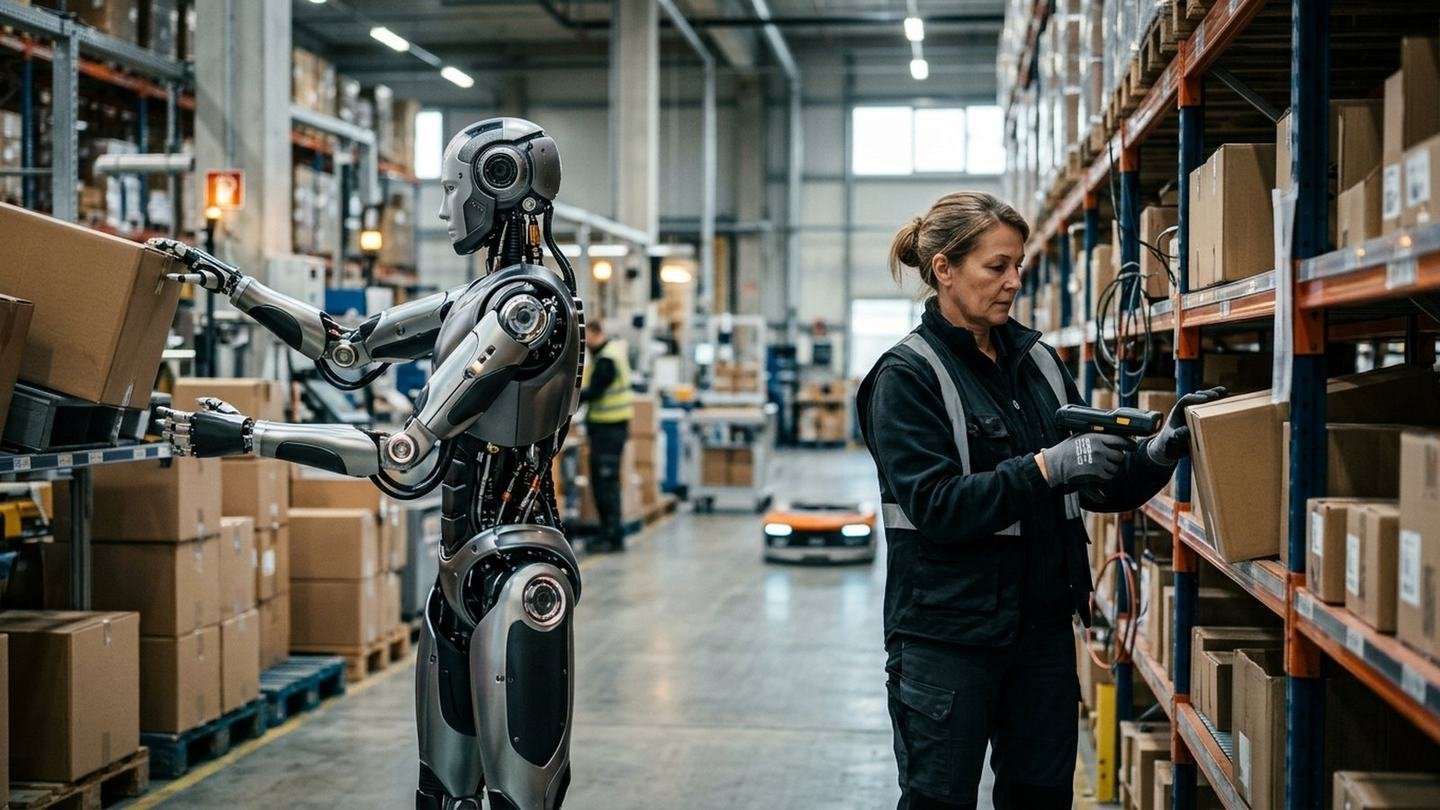
Robotics unit economics: the real cost per hour
Capex is the easy number. Maintenance, teleoperation, utilization, and integration decide whether a robot costs less than the person it replaces.
Read the analysisInitial story events referenced from TechNode. Briefzio provides independent analysis of what the reported developments mean for enterprise architecture, cost, and vendor decisions.
Briefzio separates reported facts from analysis. Spotted an error? Request a correction — we respond within two business days.
Hardeep Singh is the founder and chief tech analyst at Briefzio. With a background in software engineering, distributed systems, and cloud architecture, he authors independent deep-dive technical commentary and strategic impact analyses across enterprise AI, hyperscalers, and autonomous technologies across North America.


