

Identity verification firm World, formerly Worldcoin, released new Harris Poll research revealing that 81% of singles want dating apps to confirm profile authenticity. The push aims to reposition proof-of-personhood tech from crypto wallets to mainstream consumer mobile platforms plagued by automated fake accounts.
Why It Matters
Commercial ImplicationsOnline dating platforms face rising churn and fraud driven by generative AI bots and romance scams. Incorporating zero-knowledge human verification offers operators a concrete path to protect platform trust while opening up massive new enterprise integration channels for biometric verification providers.
By The Numbers
Analysis & Engineering Implications for Technical Leaders
Key Developments & Takeaways
- Harris Poll data commissioned by World shows 81% of active singles prefer platforms with verified proof of personhood.
- Generative AI tools make bot creation cheap, threatening the core business model of dating platforms that rely on genuine user engagement.
- World is expanding beyond iris-scanning hardware distribution to target software identity integrations across consumer digital services.
What this means for enterprise teams
The facts above come from The Next Web. This section is Briefzio's interpretation of their implications for architecture, cost, and vendor decisions. It is one editor's judgment, clearly separated from the reported facts.
The Big Picture
Identity verification platform World has unveiled new consumer data targeting the online dating industry. A study conducted by The Harris Poll on behalf of the company reveals that 81% of active singles would be more likely to use a dating app if every profile were confirmed as a living human.
The announcement aligns with Singles Day on November 11, focusing consumer attention on how artificial intelligence is changing trust dynamics across digital meeting places.
The Bot Problem in Consumer Tech
Online dating companies confront an existential challenge: generative AI has made deploying convincing fake profiles fast and inexpensive. Scammers and automated marketing bots mimic real conversations, driving down user trust and engagement metrics.
Key dynamics reshaping the dating app market include:
- Platform trust erosion: Fake accounts dilute real matches, directly cutting subscriber retention rates across leading apps.
- Verification demand: Consumer preference is shifting toward verified-only digital spaces where bot risk is neutralized.
- Commercial pivots: World is leveraging these concerns to sell its human-verification infrastructure to consumer platforms outside the web3 ecosystem.
Strategic Verdict
As AI synthetic media improves, proof-of-personhood becomes a critical commercial requirement for social platforms. App developers must adopt cryptographic or hardware-backed human checks to maintain clean user bases, prevent churn, and retain paying subscribers.
Source: The Next Web
Bottom line
 Analysis by Hardeep Singh
•
Editor, Briefzio
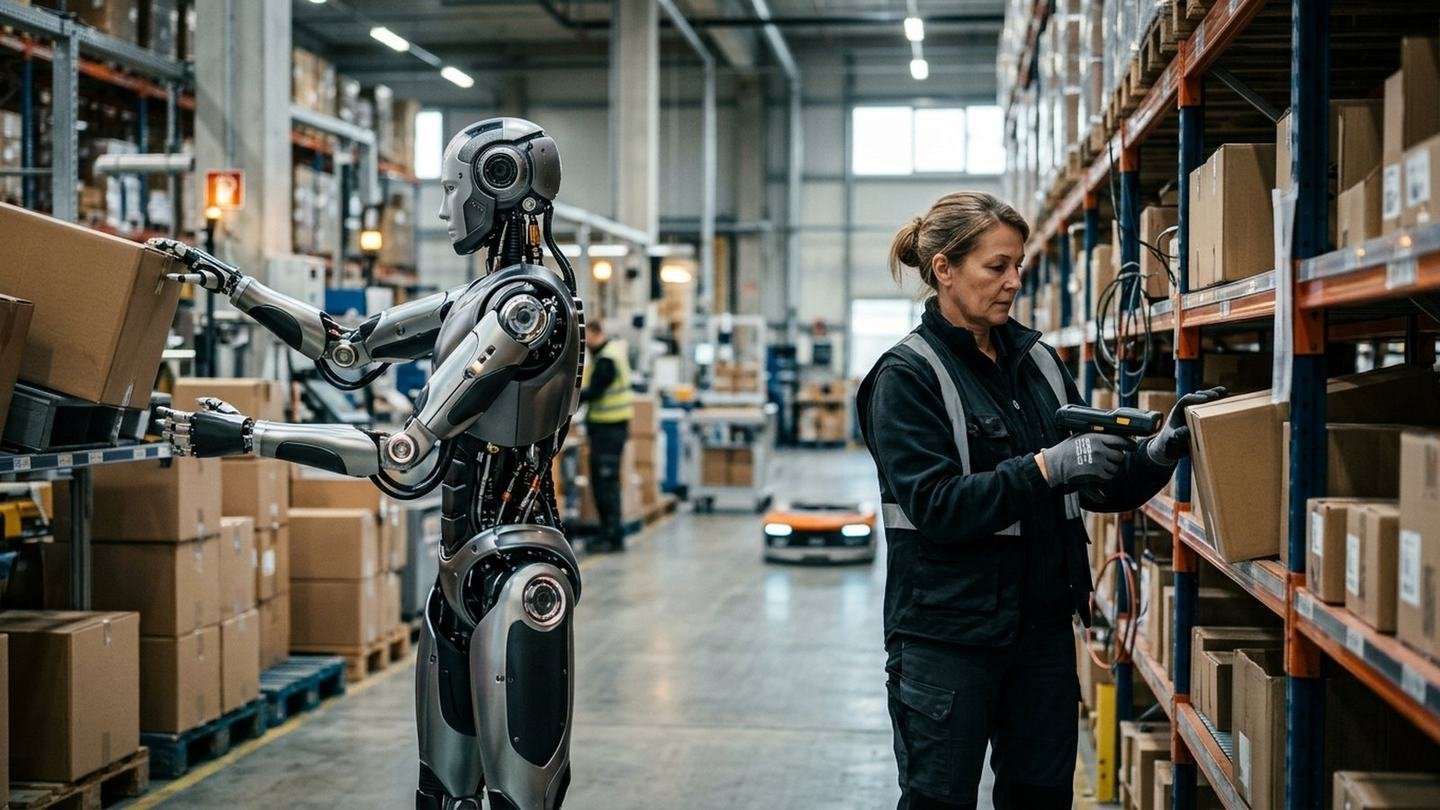
Robotics unit economics: the real cost per hour
Capex is the easy number. Maintenance, teleoperation, utilization, and integration decide whether a robot costs less than the person it replaces.
Read the analysisInitial story events referenced from The Next Web. Briefzio provides independent analysis of what the reported developments mean for enterprise architecture, cost, and vendor decisions.
Briefzio separates reported facts from analysis. Spotted an error? Request a correction — we respond within two business days.
Hardeep Singh is the founder and chief tech analyst at Briefzio. With a background in software engineering, distributed systems, and cloud architecture, he authors independent deep-dive technical commentary and strategic impact analyses across enterprise AI, hyperscalers, and autonomous technologies across North America.


