

Elon Musk's xAI released the first seven minutes of 'Odyssey,' an experimental sci-fi project created using generative AI systems. The clip showcases complex scene building and asset continuity over an extended timeframe.
However, early viewers noted stiff character animation, flat emotional tone, and noticeable visual drift common in synthetic media.
Why It Matters
Commercial ImplicationsAI video startups are racing to move past quick five-second social clips toward full narrative features. Maintaining character consistency, spatial physics, and audio sync across several minutes requires massive compute clusters and complex diffusion pipelines. xAI is signaling that it wants to compete with OpenAI's Sora, Runway, and Kling for Hollywood and digital media market share.
By The Numbers
Analysis & Engineering Implications for Technical Leaders
Key Developments & Takeaways
- Extended runtime: Releasing seven connected minutes marks an aggressive push into long-form generative video pipelines.
- Compute horsepower: The generation leverages xAI's Memphis data center cluster to process multi-shot video generation at scale.
- Creative gap: The demonstration shows strong background fidelity but struggles with human facial nuance and natural pacing.
What this means for enterprise teams
The facts above come from TechCrunch. This section is Briefzio's interpretation of their implications for architecture, cost, and vendor decisions. It is one editor's judgment, clearly separated from the reported facts.
The Big Picture
Elon Musk's artificial intelligence venture, xAI, published the opening seven minutes of 'Odyssey,' a video production generated entirely using generative video models. The release serves as a public demonstration of how far automated video tech has advanced beyond brief social media teasers.
While the video proves that multi-scene continuity is improving, the output reveals clear technical limits. The visuals offer passable backgrounds and digital set dressing, but critics noted a distinct lack of expressive acting, narrative rhythm, and relatable human warmth.
Why It Matters
The generative video market is rapidly shifting from casual consumer toys to serious enterprise production tooling. Hyperscalers and venture-backed labs are pouring billions into multi-modal video architectures to secure high-value entertainment and advertising budgets.
By showcasing seven minutes of continuous footage, xAI is positioning its Grok infrastructure directly against heavyweight rivals like OpenAI's Sora, Runway Gen-3, Luma Dream Machine, and ByteDance's generative tools.
Under the Hood: Technical Constraints
Building a sustained narrative using neural networks exposes several engineering hurdles:
- Temporal consistency: Diffusion models often lose track of lighting, object sizes, and facial details between cuts. Odyssey shows tighter tracking than earlier open-source models, yet slight morphing remains visible.
- Emotional uncanny valley: AI agents still struggle with believable micro-expressions, leaving synthetic actors looking glossy and detached.
- Inference costs: Producing minutes of high-resolution video demands immense GPU capacity, restricting practical production pipelines to well-capitalized tech labs.
Strategic Verdict
xAI's drop proves that compute brute force can stitch scenes together into a cohesive package. Yet the production shows that raw compute cannot replace artistic direction. Production houses and marketing teams should look at these models as accelerated visual effects tools, not self-directed production crews.
Source: TechCrunch
Bottom line
 Analysis by Hardeep Singh
•
Editor, Briefzio
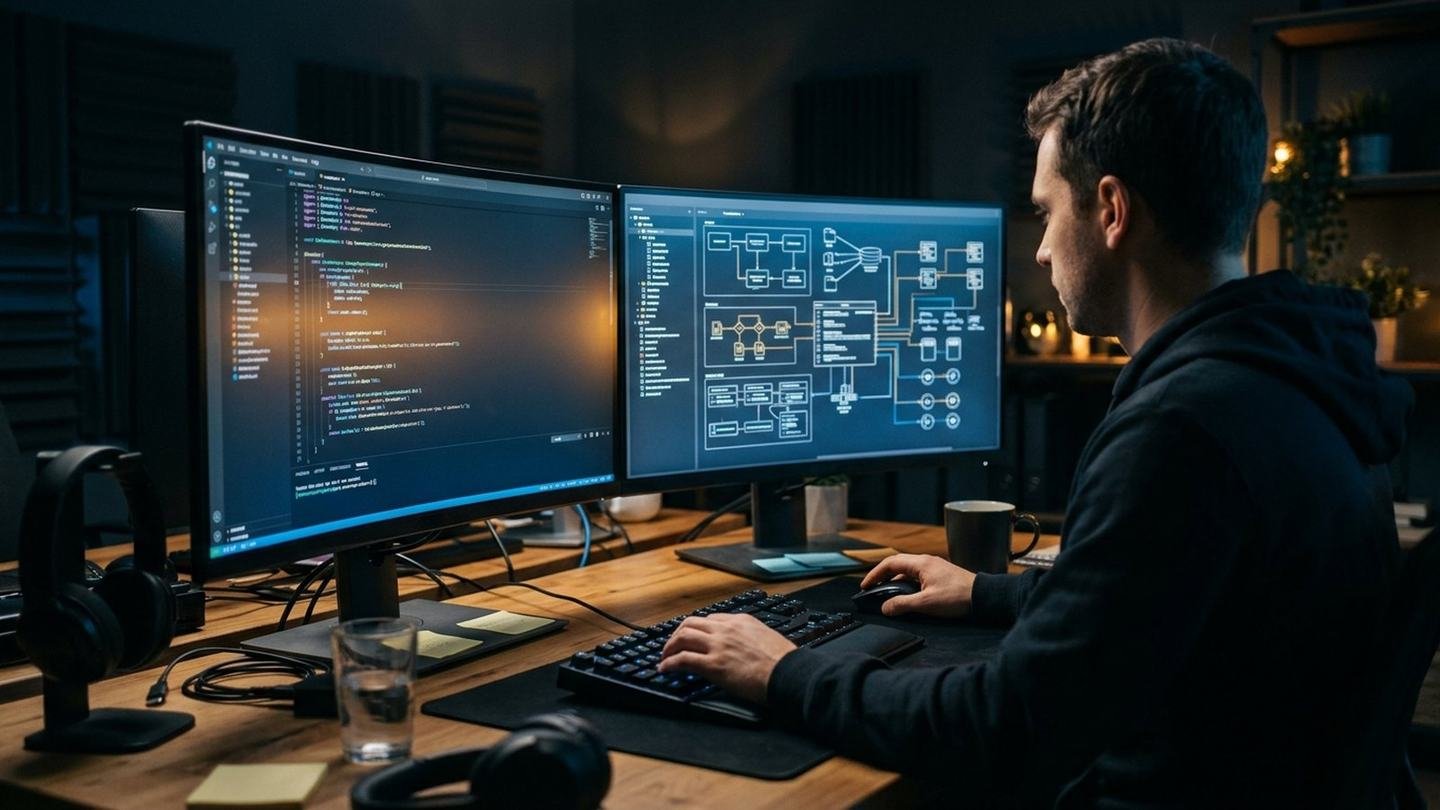
MCP and the tool-integration layer: what to standardize
MCP settles how tools are described and called. Scopes, server ownership, and audit logs are still yours to decide, and they carry the risk.
Read the analysisInitial story events referenced from TechCrunch. Briefzio provides independent analysis of what the reported developments mean for enterprise architecture, cost, and vendor decisions.
Briefzio separates reported facts from analysis. Spotted an error? Request a correction — we respond within two business days.
Hardeep Singh is the founder and chief tech analyst at Briefzio. With a background in software engineering, distributed systems, and cloud architecture, he authors independent deep-dive technical commentary and strategic impact analyses across enterprise AI, hyperscalers, and autonomous technologies across North America.


