

OpenAI has officially released GPT-6.1 Terra, a new AI model engineered for routine office tasks and desktop workflows. It replaces GPT-5.6 Terra and sits squarely in the middle tier of OpenAI's lineup, slotted below flagship Sol and Astra tiers but above the lightweight Luna model.
The update introduces direct computer-use capabilities, allowing the system to view screens and handle everyday software tasks.
Why It Matters
Commercial ImplicationsEnterprise demand is shifting from generic chat interfaces to action-oriented agents that can directly operate desktop applications. By lowering inference costs while adding screen interaction, OpenAI is targeting high-volume enterprise automation budgets.
This move intensifies competition against rivals offering similar agentic computer-control tools across corporate environments.
By The Numbers
Analysis & Engineering Implications for Technical Leaders
Key Developments & Takeaways
- GPT-6.1 Terra replaces GPT-5.6 Terra as OpenAI's mid-tier enterprise workhorse model.
- The model sits below Sol and Astra but offers higher capacity than the entry-level Luna engine.
- Integrated computer-use tooling allows the model to interpret visual display data and complete routine digital tasks.
What this means for enterprise teams
The facts above come from The Next Web. This section is Briefzio's interpretation of their implications for architecture, cost, and vendor decisions. It is one editor's judgment, clearly separated from the reported facts.
The Big Picture
OpenAI has rolled out GPT-6.1 Terra, a new artificial intelligence model designed to tackle everyday office tasks at lower operating costs. The model succeeds the older GPT-5.6 Terra and occupies the middle tier of OpenAI's portfolio. It sits below the high-end Sol and Astra models while providing more muscle than the smaller Luna system.
Why It Matters
Corporate software buyers want AI that does practical work inside existing enterprise software, not just answers text prompts. GPT-6.1 Terra emphasizes faster output and lower compute bills, making automated desktop processes viable at scale. The headline capability in this update is native computer use. The model can inspect screen interfaces and interact with routine office software, cutting the manual labor required for repetitive administrative duties.
Driving the News
As enterprise software vendors integrate agentic workflows, model tiering has become a critical business strategy:
- Model hierarchy: Terra provides a balanced middle tier, keeping inference costs low enough for daily operations while avoiding the performance limits of smaller models like Luna.
- Screen interaction: By processing visual computer interfaces directly, the model bridges the gap between static databases and legacy corporate applications.
- Fleet modernization: Replacing the GPT-5.6 generation ensures corporate customers receive faster response times without blowing their cloud compute budgets.
Strategic Verdict
For technical leaders and enterprise architects, GPT-6.1 Terra signals a push toward pragmatic agent deployment. Rather than paying premium rates for massive reasoning engines to execute simple repetitive clicks, companies can run high-frequency screen automation on cost-effective mid-tier models.
Source: The Next Web
Bottom line
 Analysis by Hardeep Singh
•
Editor, Briefzio
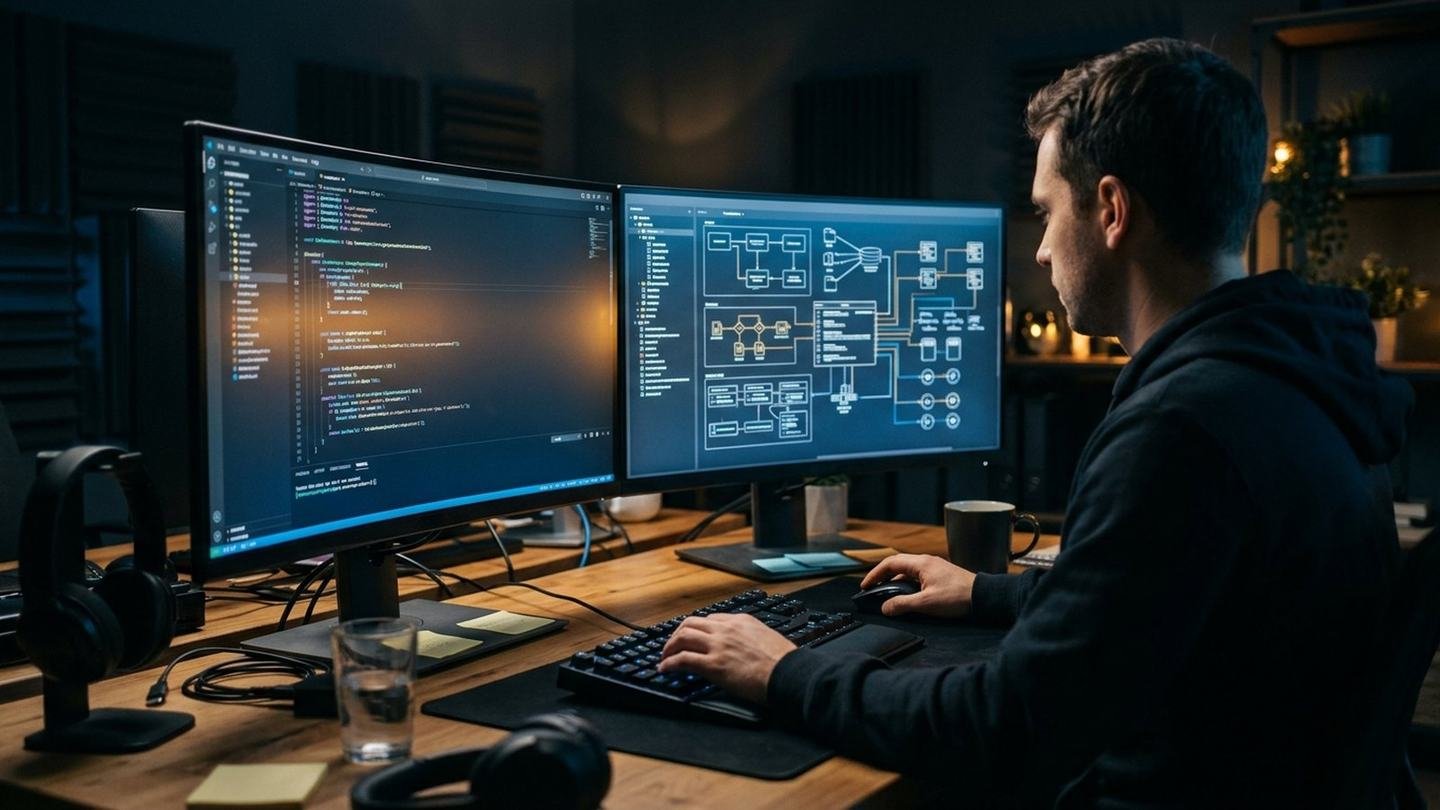
MCP and the tool-integration layer: what to standardize
MCP settles how tools are described and called. Scopes, server ownership, and audit logs are still yours to decide, and they carry the risk.
Read the analysisInitial story events referenced from The Next Web. Briefzio provides independent analysis of what the reported developments mean for enterprise architecture, cost, and vendor decisions.
Briefzio separates reported facts from analysis. Spotted an error? Request a correction — we respond within two business days.
Hardeep Singh is the founder and chief tech analyst at Briefzio. With a background in software engineering, distributed systems, and cloud architecture, he authors independent deep-dive technical commentary and strategic impact analyses across enterprise AI, hyperscalers, and autonomous technologies across North America.


